
Small Boats Drives Subscriptions with Email & Pinterest
One email a month became two emails a week. The result: 51% open rates, 21 Pinterest-driven subscriptions monthly, and 80-90% renewal rates. Email isn't promotion—it's the product.

Executive Summary
- Small Boats achieves 51% email open rates sending twice weekly to 20,000 subscribers
- Pinterest drives 21 paid subscriptions per month through organic, visual search
- Renewal rates between 80-90% justify acquiring subscribers at cost (paying $12 to get a $12/year subscriber)
- Free registration + 3-email welcome series converts anonymous visitors into paying subscribers
Wally Wallace runs 50 Fish, a Maine-based design agency that’s been working with magazine publishers for over a decade. His approach combines e-commerce marketing tactics with publishing—a perspective most publishers haven’t considered.
His longest-running project is Small Boats Magazine, a spinoff from Wooden Boat that became a testing ground for digital subscription strategies. The results: a 51% email open rate, 80-90% renewal rates, and a steady stream of new subscribers from unexpected channels like Pinterest.
The Playbook
Start with Free Registration
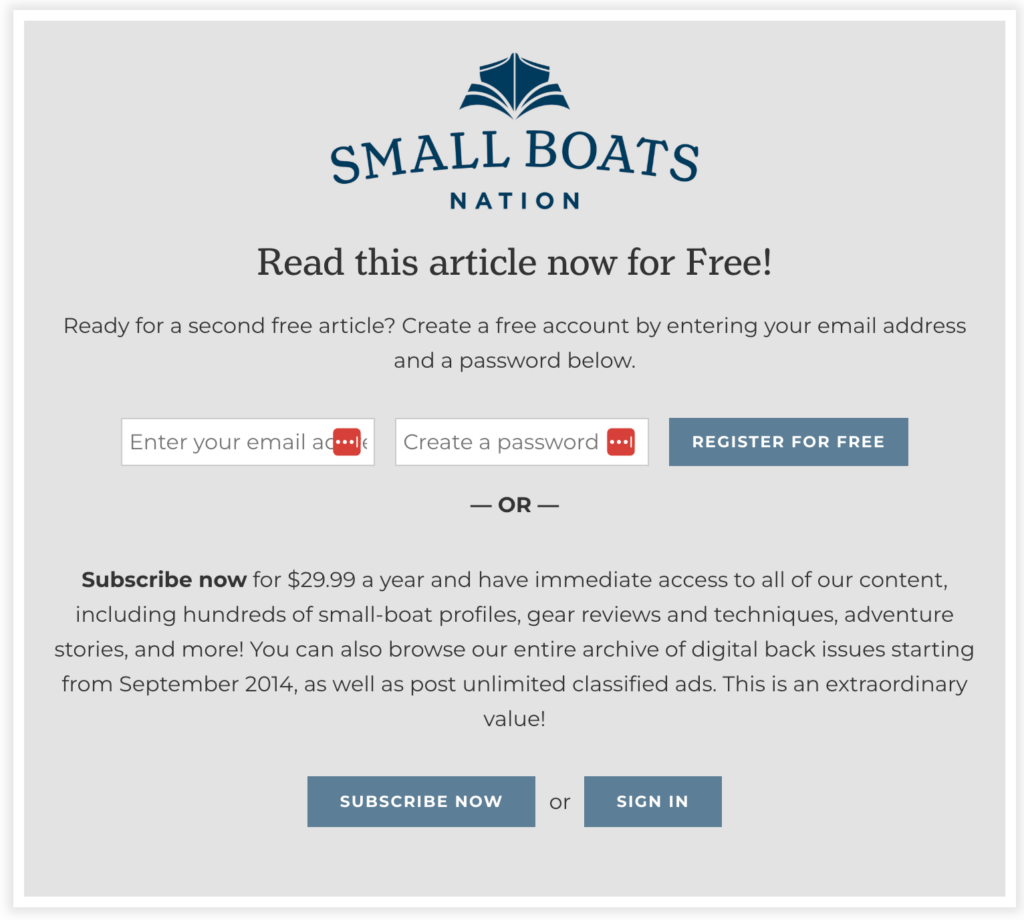
When a visitor lands on an article—whether from Google, Pinterest, or social—they hit a registration wall before seeing the content. Enter an email and password, and the article unlocks.
That email address immediately goes into a welcome series: three emails over eight days. The first two showcase the publication’s best content. The third includes a subscription offer.
“The email list is the direct marketing tool that brings readers back to see upgrade messaging repeatedly,” Wally explains. The goal isn’t to convert on the first visit. It’s to build the habit of reading—and the frustration of not being able to read everything.
Increase Email Frequency (More Than You Think)
When Wally started with Small Boats, they sent one email per month announcing the latest issue. They were afraid more emails would drive unsubscribes.
Now they send two emails per week to 20,000 subscribers. The open rate: 51.48%.
The second weekly email doesn’t need to be new content. Archive roundups—curated collections of older articles on a specific topic—often outperform fresh content because they’re highly targeted. A reader who loves small powerboats will open an email featuring the five best small powerboat articles from the last three years.
“Publishers get tied up thinking old content isn’t valuable,” Wally says. “But a big part of your subscriber base hasn’t seen it yet.”
Segment by Subscription Status
Every email serves two purposes: deliver content and drive conversions. But the conversion messaging only goes to non-subscribers.
For free registrants, each email includes:
- A note from the editor at the top with a soft subscription pitch
- A banner offer somewhere in the middle
- Clear calls-to-action to subscribe
Paid subscribers get the same content without the upgrade messaging. They’ve already converted—no need to keep selling them.
Use Pinterest as a Search Engine
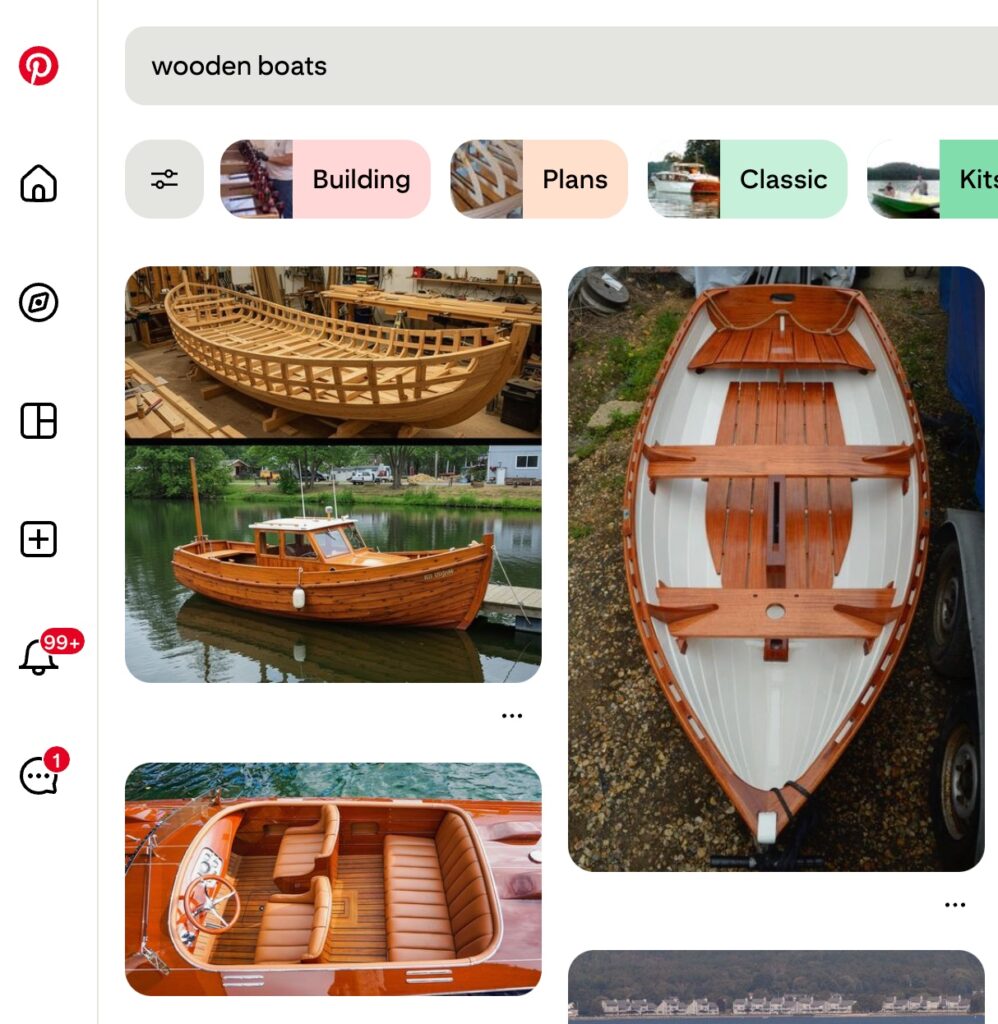
Most publishers ignore Pinterest. That’s a mistake for visual publications.
Pinterest isn’t a social network—it’s an image search engine. Small Boats adds their content to Pinterest with strong keywords. Users search for “13 foot Boston Whaler,” see a beautiful photo, click through, hit the registration wall, and enter the funnel.
Pinterest delivered 21 paid subscriptions in a single month. All organic. No ad spend.
The key insight: Pinterest users are actively searching, which makes them higher-intent than passive social media scrollers.
Expand Your SEO Footprint Strategically
Small Boats was originally a Wooden Boat publication—all wooden boat content. But they noticed search traffic for non-wooden small boats and created content to capture it.
The Boston Whaler article now ranks for “13 foot Boston Whaler”—a classic boat with devoted fans searching for information. It’s still a small boat, so it fits the publication’s scope, but it opens traffic from a new audience.
“Publishers get tied into their nice clean title and forget about the search terms,” Wally notes. Think about what adjacent audiences are searching for that you could credibly cover.
Design for Premium Perception
Before any marketing improvements, Wally redesigned Small Boats. The logic: if you’re asking someone to pay $30 for a subscription, the site needs to look worth $30.
This means:
- Clean layouts with generous white space
- Larger images that showcase visual content
- Readable typography without clutter
- Easy navigation to premium features
Little details matter. On article collection pages, a camera icon shows how many photos are in each article (e.g., “7 photos”). It’s a small touch that signals value—especially for Pinterest visitors who came for the images.
Sell Advertising That Doesn’t Annoy Subscribers

Aggressive advertising destroys the premium experience that sells subscriptions. Small Boats found a middle ground: sponsored sections.
Each category page (Adventures, Boat Profiles, etc.) has a sponsor. The sponsor’s logo appears subtly under the category name, and their product is featured in the hero image. It’s advertising that feels like content—and ad blockers don’t catch it.
For email, sponsors get placement at the bottom of every send (logos with links) or can buy a block within an email. But Small Boats never sends fully sponsored emails. “We value our customers,” Wally says. “Too many sponsored emails feel like spam.”
Acquire Subscribers at Cost
Small Boats runs remarketing ads to site visitors and prospecting ads to find new subscribers. Their target cost per acquisition: the value of the first-year subscription.
For a $12/year intro offer, they’ll pay up to $12 to acquire that subscriber. Sounds like a break-even, but with 80-90% renewal rates, the math works over time.
Year one: $12 cost, $12 revenue (break even) Year two: $0 cost, $30 revenue (full price renewal) Year three: $0 cost, $30 revenue
That first-year subscriber becomes profitable starting month 13.
Key Takeaways
- Email frequency drives subscriptions. Going from monthly to twice-weekly emails didn’t hurt open rates—it increased conversions by putting more content (and upgrade prompts) in front of readers.
- Archive content often outperforms new content. Curated emails featuring older articles can have higher engagement than fresh issue announcements because they’re more targeted.
- Visual publications should treat Pinterest as a search channel. It’s not social media—it’s image search with high-intent users.
- Premium design justifies premium pricing. Before asking visitors to pay, make sure the site looks worth paying for.
Notable Quote
“Email really becomes your product in a lot of ways. That’s how people digest your content. When you send out a nice email, that’s what they look at. That’s how they dive in.”
— Wally Wallace, 50 Fish
Try This Week
Send a second weekly email featuring curated archive content on a specific topic. Track whether it matches or exceeds your regular newsletter’s open and click rates.
Watch the Episode
Listen to the Episode
Resources Mentioned
- Small Boats Magazine — The publication discussed throughout
- Wooden Boat Magazine — Small Boats’ parent publication
- 50 Fish — Wally’s design and marketing agency
