
The Truth About Paywall Evasion: AI, Google, and Password Sharing
Yes, people can bypass your paywall. No, it doesn't matter. The priority is growing your email list—your owned audience that converts regardless of who sneaks through.

Episode Summary
- NOLA.com achieves 9% market penetration with a metered paywall—proof that allowing one free article doesn’t kill conversions
- Registration walls convert at 15-20% compared to 3% for newsletter popups, making them the fastest way to grow your list
- Readers using removepaywall.com or bypassing your gates were never going to pay—and may actually share your content with potential subscribers
- Hard paywalls work only when you’ve built brand authority; most publishers hurt growth by gating too early
The Breakdown
Publishers ask the same question every month: “How easy is it to defeat my paywall?” They worry about Google indexing everything, AI scraping content, readers sharing passwords, and services like removepaywall.com bypassing their gates.
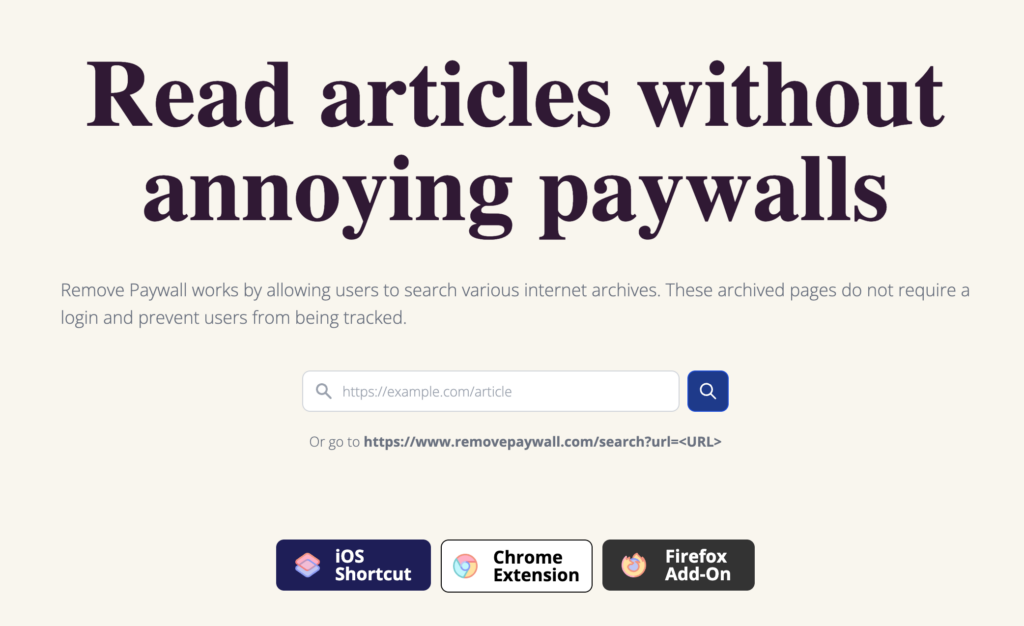
The answer is simpler than expected. Yes, AI ingests open content. Yes, services exist to circumvent paywalls. Yes, password sharing happens. But the real question isn’t whether these things are possible—it’s whether worrying about them helps you build a sustainable subscription business.
Publishers with metered paywalls face a fundamental tradeoff: open content drives discovery, but exposure creates vulnerability. Hard paywalls lock down content completely, but they kill social sharing and hurt discoverability. The choice isn’t about security—it’s about where you are in your growth journey.

NOLA.com serves the Baton Rouge area with 9% market penetration despite running a metered paywall. They give one free article before gating content. Google indexes it. AI can scrape it. Social media can share it. None of that matters because their core strategy works: free content builds trust, registration walls capture emails, and newsletters convert readers to paid subscribers.
Financial publishers often lock down immediately because their content has time-sensitive value. Stock picks lose relevance in seconds. Trade recommendations move markets. In that context, a hard paywall makes sense from day one.
But for most publishers—local news, niche magazines, community publications—the metered approach with registration walls builds audience faster than hard gates. The question isn’t whether someone could bypass your paywall. It’s whether your paywall strategy supports list growth and subscriber conversion.
The registration wall sits at the center of this strategy. After one free article, gate with email capture—not payment. Let readers drop their email and get one or two more articles. This converts at 15-20% compared to 3% for newsletter popups. Your email list becomes the asset that matters more than preventing every possible leak.
Services like removepaywall.com work inconsistently, and the readers using them were never going to pay anyway. They invest time to avoid spending money—a calculation that shifts as people age and prioritize convenience over effort. Meanwhile, they might share your content with others who will subscribe.
Password sharing becomes a concern only for B2B publishers attracting organizational buyers. A Fortune 1000 company subscribing for one employee might share that login across departments. At that point, concurrent login limits or family plan pricing make sense. For local news and magazines, the friction from limiting logins outweighs the revenue lost to casual sharing.
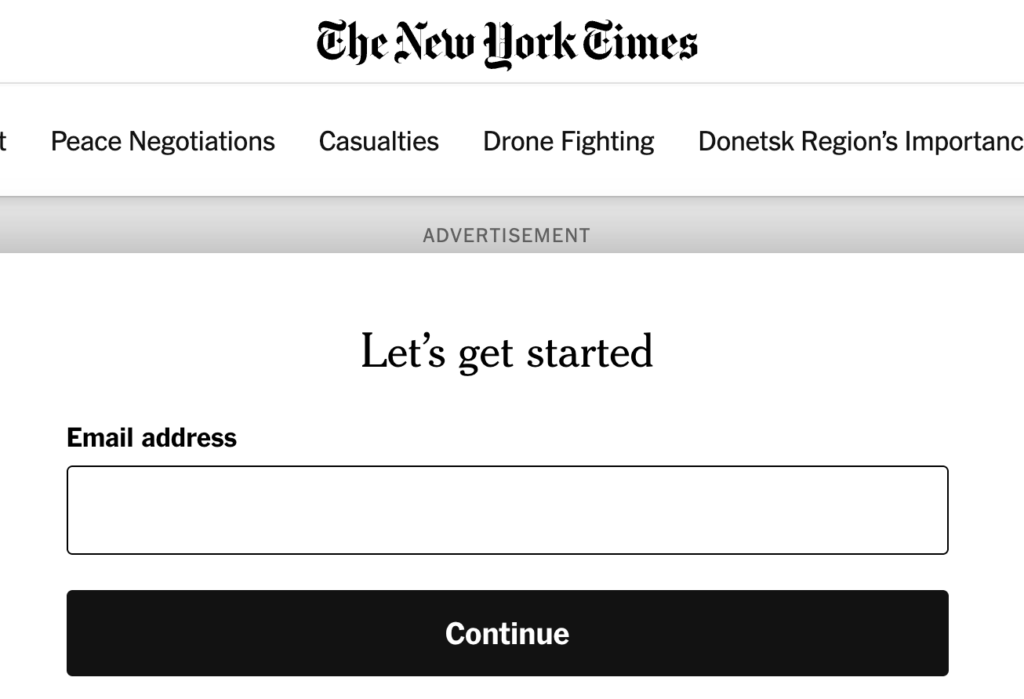
The New York Times demonstrates a middle path: a hard wall with free registration. No content without signup, but registration unlocks limited articles. This blocks AI scraping while still building an email list. It works when you have strong brand recognition and need to assert content value.
Wall Street Journal goes further—no access without payment. This only works with established authority and wealthy target readers who expect to pay for financial intelligence. Most publishers haven’t earned this privilege yet.
If AI scraping genuinely concerns you, blanket the site with free registration. Yes, it adds friction. Yes, it stops bots. But at least you’re collecting emails and moving readers into the conversion funnel rather than just blocking access.
The panic about AI and evasion tools distracts from the actual priority: growing your owned audience. Your email list survives algorithm changes, platform shifts, and scraping concerns. When you control direct communication with readers, secondary worries about content leakage matter less.
Younger readers don’t subscribe not because they’re fundamentally unwilling to pay, but because they haven’t developed stakes in the community yet. They age into subscription readiness. Panicking about Gen Z conversion rates misses this natural lifecycle.
The takeaway isn’t “ignore security”—it’s “prioritize growth.” Metered paywalls with registration walls build lists. Lists enable newsletter nurture. Newsletters convert to paid subscriptions. This funnel matters more than preventing determined readers from accessing content through technical workarounds.
Resources Mentioned
- Leaky Paywall — WordPress subscription paywall plugin with IP Blocker feature
- Loggedin — WordPress plugin for controlling concurrent login sessions
- Statista — Data source for local news subscriber penetration rates
Key Takeaways
- Metered paywalls work despite AI scraping — NOLA.com achieves 9% market penetration while giving away one free article to every visitor. The benefit of social sharing and search discovery outweighs the risk of content exposure.
- Registration walls beat newsletter popups 5x — After one free article, gate with email capture (not payment). This converts at 15-20% compared to 3% for traditional popup forms.
- Hard paywalls require earned privilege — The Wall Street Journal can demand payment upfront because they have established brand authority and wealthy target readers. Most publishers haven’t earned this yet and hurt growth by gating too early.
- Paywall evaders were never going to pay — Readers using removepaywall.com invest time to avoid spending money. They’re not your customer—and may actually help by sharing your content with potential subscribers.
- B2B is where password sharing matters — For local news and magazines, the friction from limiting logins outweighs the revenue lost. But when Fortune 1000 companies share one login across departments, concurrent login limits or family plan pricing make sense.
Notable Quote
“Don’t worry about the sharing. The priority really is growing your email list. If you’re still in that mode where you’re growing your audience, growing your brand, you’re not the Wall Street Journal, you absolutely have to put in a registration wall.” — Pete
Try This Week
Add a free registration wall after your first free article. Let readers drop their email and password to unlock 1-2 more articles before hitting the hard paywall. This single change converts 15-20% of engaged readers to your email list—your most valuable owned asset.
Watch this Episode
Listen to the Episode
