
The false economy of cutting email costs
Two publishers tried to fix their ballooning email costs. One deleted 30,000 contacts. The other cut from daily to weekly. Both lost paid signups within weeks.

Episode Summary
- One publisher deleted 30,000 contacts. Another dropped their newsletter from daily to weekly. Both saw paid signups soften within weeks.
- List Builder is pulling in roughly 5x the email signups that popups and slide-ins used to get. Costs go up. Cutting the list is not the fix.
- The free registered list IS the conversion engine. Cut the volume or cut the touches, and you cut your paid conversions.
- The framework: filter junk at the front end with passwords, email verification, or one-time password. Run a sunset policy at the back end. Never delete.
The Playbook
Two publishers tried to fix their ballooning email costs this month. One deleted 30,000 contacts in a single sweep. The other cut their newsletter cadence from daily to weekly. Both saw paid subscriptions soften within weeks.
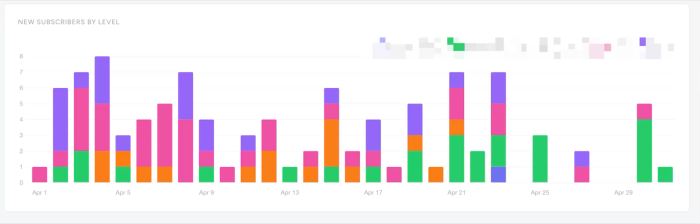
The reaction is understandable. List Builder has been delivering roughly 5x the signup volume that publishers used to get from popups and slide-ins. The Mailchimp bill climbs, the panic kicks in, and the instinct is to slash.
But the math is brutal.
Saving $300 a month on email costs sounds like a win. That is $3,600 a year. Now run the second calculation. If 1% of those 30,000 contacts would have converted to a $50/year subscription, you just walked away from $15,000 in recurring revenue. Boom. Just like that.
The Free Registered List IS the Conversion Engine
Your email list is not the end goal. It is the mechanism that brings logged-in readers back to your site to see upgrade messages over and over, until they finally pay.
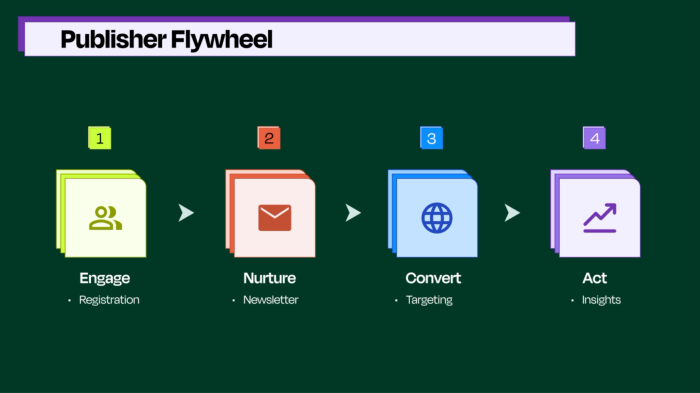
Humans need to see a message around 20 times before we react. That is the whole game. The newsletter sends readers back to the site. The site shows the upgrade pitch. Repeat.
Some readers convert immediately at registration. Most need the loop. Cut the loop, lose the conversions.
This matters more now than it did a year ago. Social traffic is down. SEO traffic is down (Piano reported a ~36% drop across publishers last year). AI Overviews are eating clicks at the source. Email is the channel you actually control. The panic-cut is so expensive because you are cutting the only direct line you have left.
Back End: Run a Sunset Policy, Don’t Delete
The instinct is to look at 30,000 unengaged readers and hit delete. Don’t.
Here is the sequence:
- Pick your engagement threshold (no opens or clicks in 60-90 days)
- Move unengaged readers into a re-engagement segment
- Send 1-3 emails asking, “Do you still want to be on this list?”
- Move non-responders into a “do not send” segment
- Reactivate them only for big news or major promotions
You don’t delete because you will want them later. The sunset list is where readers go who are 90% gone but not 100%. Some will reply with “yes, leave me on.” Some will forward your email to a friend who becomes a paid subscriber. Email is the most viral channel publishers have, and it is the best kind of viral.
One more thing. Replies are the strongest engagement signal you can chase. Gmail notices, your deliverability gets a boost, and the reader is clearly invested. Push for replies. Ask a question in the newsletter. Build a letters section if you don’t have one. Reply content is content.
Front End: Filter Junk Before It Hits the List
Three options. Scale them to your volume.
1. Password requirement (the default). Asking for a password on registration filters roughly 95% of fake signups. Most publishers stop here. Lowest friction for real readers, strong filter against casual junk.
2. Email verification ($49/mo on Leaky Paywall). Checks the email against Gmail and Yahoo databases in real time. Blocks profanity, obvious junk, and known bad domains. No double opt-in. The reader drops their email and chooses a password in one flow. You never hear about it again, which is the point.
3. One-time password (OTP). The reader enters their email, gets a 6-digit code, types it back in. Then they create a password and the account gets created. This is for high-volume publishers fighting actual bots. The key technical detail: the account is not created until the code is entered, so your subscriber table stays clean even when bots hammer the form.
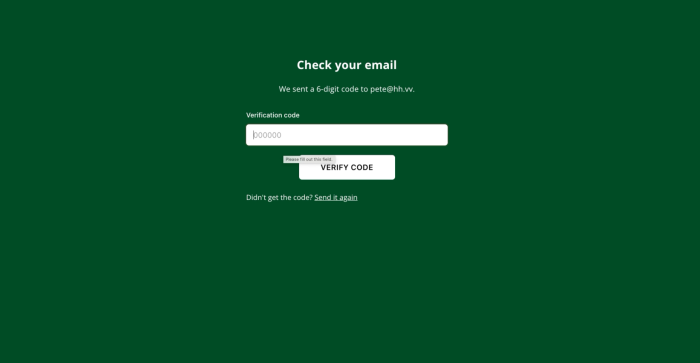
Tyler on OTP friction: it doesn’t reduce conversions in practice. We are all used to one-time passwords from our bank logins. It is not zero friction, but it is not blocking real readers either.
Bottom Line
Filter junk at the front end. Sunset, don’t delete, at the back end. Treat your email list like the conversion engine it actually is.
Key Takeaways
- Run the second calculation before you cut. Email cost savings are real but small. The lost recurring revenue from contacts you removed is usually 4-5x larger.
- Under-sending breaks the flywheel. Going from daily to weekly newsletters drops paid conversions because the upgrade messaging stops landing often enough to work.
- Match the front-end filter to your volume. Password handles 90% of cases. Email verification handles spam-prone publishers. OTP handles bot-heavy sites.
- Pursue replies, not just opens. A reply tells Gmail and you that the reader is engaged. It also gives you content for surveys, letters to the editor, and article ideas.
- Email is the channel you actually own. Social and SEO traffic are both shrinking. Cutting your list right now is cutting the one direct line you have left.
“The amount of money that you’re saving from cutting your email costs, you’re just completely demolishing recurring revenue from those potential new signups.”
Tyler Channel
Try This Week
Pull every reader with no opens or clicks in the last 90 days into a segment. Send one email asking, “Do you still want to be on this list?” Send a follow-up a week later. Move non-responders to a “do not send” segment. Don’t delete anyone. You will want that list back the next time you have big news or a major promotion.
Watch the Episode
Listen to the Paywall Podcast
Resources Mentioned
