
Why Shrinking Search Traffic Can Mean More Revenue Per Reader
Google’s AI is filtering your traffic. While search clicks are dropping, reader intent is rising. Here are four moves to capture high-value subscribers and grow your revenue.

Summary
Google’s AI Overview now sits above all organic results, answering many search queries before users ever click. Publishers are seeing fewer visitors from search.
But there’s a flip side: the readers who do click through have stronger intent. They want the full story, not a summary. That makes them more likely to register, subscribe, and stick around.
The publishers who win this shift are the ones who capture every visitor’s email, reduce friction in their sign-up flow, and publish content AI can’t replicate.
Google Answered the Question. Now What?
Google replaced its familiar list of blue links with an AI-generated answer box that sits above everything else. The bot scans dozens of pages, mashes up an instant response, and gives many searchers what they needed without a single click.
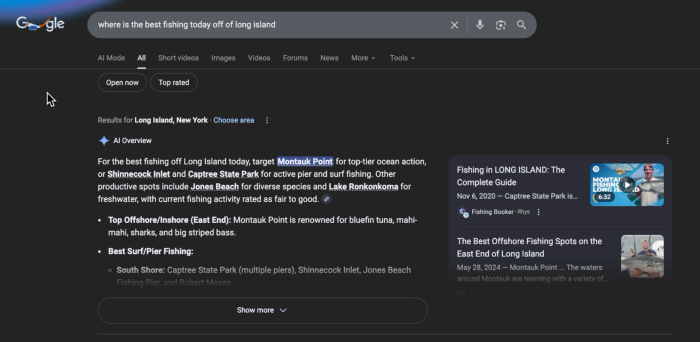
For publishers, this means two things. First, fewer people make it past the overview. Second, the ones who do click are looking for something the AI couldn’t give them. They want depth, original reporting, local context, or expert analysis. They’re not casual browsers. They’re high-intent readers.
That’s actually good news, if your site is ready for them.
Fewer Clicks, Higher Stakes
When every visitor is more valuable, on-site mistakes get expensive fast. A slow-loading page, a confusing registration form, or a paywall that breaks on mobile sends those high-intent readers straight back to Google.
Think of it this way: if your search traffic drops by 30% but the remaining visitors convert at twice the rate, you come out ahead. But only if your site doesn’t fumble the handoff.
The goal is simple. Capture the reader’s email, deliver a great experience, and give them a reason to come back without relying on Google to send them again.
Four Moves That Turn Smaller Traffic Into Bigger Revenue
1. Make Email Capture Your First Priority
Algorithms change. Your email list doesn’t. Every publisher should gate at least some content behind a free registration wall. Not a popup that visitors swat away, but a content gate that appears after a reader has consumed an article or two and shown real interest.
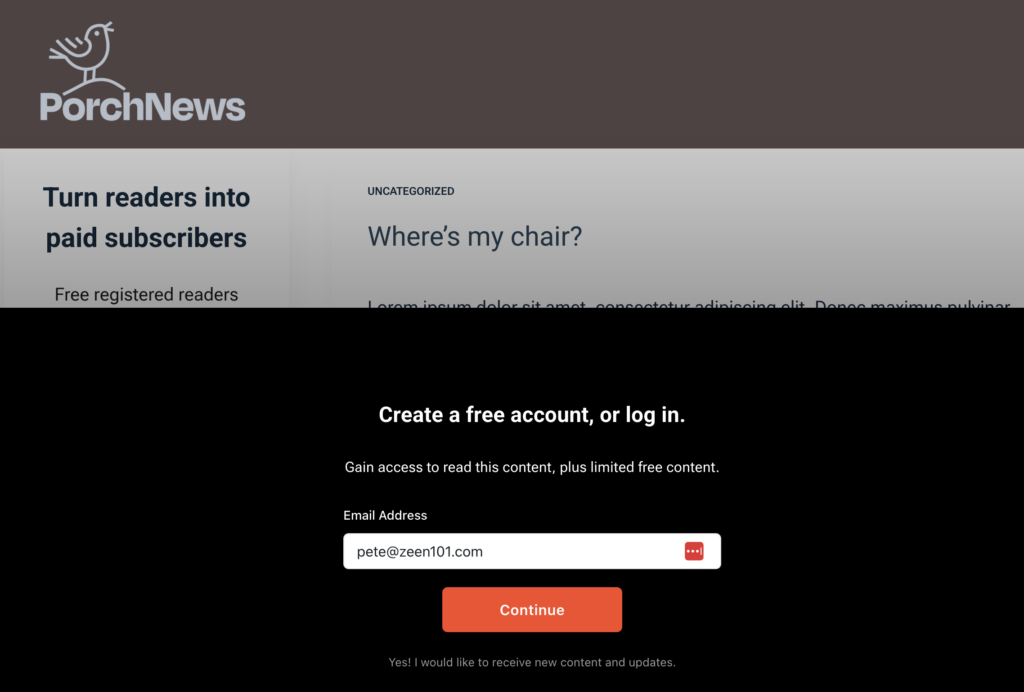
A registration wall built into your content flow consistently outperforms popups because the reader has already engaged with your work before you ask for anything. They’ve seen the value. The email exchange feels fair.
Once you have that address, use it. Send short, useful digests through a tool like Flowletter that read like a note from a colleague, not a marketing blast. That direct channel to your reader’s inbox is the one thing Google’s AI can’t disrupt.
2. Publish What AI Can’t
AI can generate generic takes all day. It can summarize, repackage, and rephrase existing information faster than any newsroom. What it can’t do is interview a city council member, analyze local court records, or bring ten years of beat reporting to a breaking story.
Your competitive edge is original work. Real interviews, proprietary data, local expertise, and analysis that requires human judgment. One solid reported piece is worth more than ten surface-level posts, both for readers and for search engines that increasingly reward depth over volume.
3. Play the Long Game With Subscribers
Drive-by traffic from search is shrinking. That means every subscriber matters more than before. Instead of chasing monthly signups, focus on building long-term relationships.
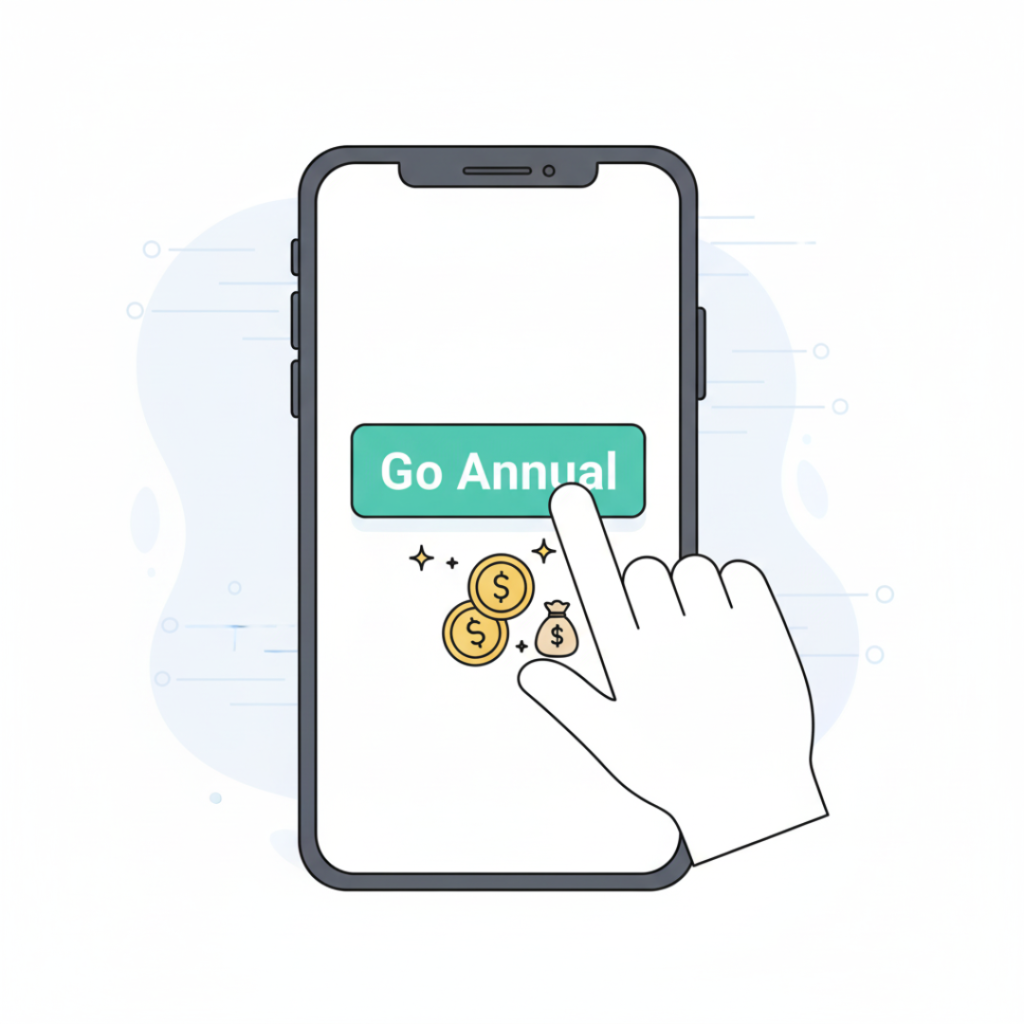
Push annual plans. They reduce churn and increase lifetime value. Drop member-only perks that reward loyalty. Surprise readers with bonus content or early access that turns casual subscribers into committed fans. The math is straightforward: retaining a subscriber costs a fraction of acquiring a new one.
4. Kill the Friction
An eager reader who hits a broken checkout page or a login form that doesn’t remember them is gone. Your registration flow, paywall, and checkout need to work smoothly on every device, especially mobile.
That means cache-proof gates that display correctly for every visitor, passwordless login options that skip the “forgot password” loop, and a checkout process that takes seconds, not minutes. When your entire subscription flow runs natively inside your CMS instead of bouncing readers to third-party pages, the experience feels seamless. Readers stay on your site, and you keep the data.
The Shift Is an Opportunity
Google’s AI Overview isn’t the end of search traffic for publishers. It’s a filter. The casual clicks disappear, but the readers who arrive are exactly the audience you want: engaged, curious, and ready to go deeper.
The publishers who treat this as a wake-up call, who tighten their on-site experience, build their email lists, and invest in original content, will come out stronger. Fewer visitors, more revenue per reader, and an audience you actually own.
Every click that survives the AI filter is a reader worth keeping. Make sure your site is ready to keep them.
