
AI-Powered Local Calendar: How Salem Reporter Became the Go-To Events Destination
Salem Reporter's AI events calendar drove 16,000 page views in two months, 60%+ newsletter open rates, and a 4% bounce rate. Here's what made it work.

Episode Summary
- 16,000 page views from events in two months on Salem Reporter, with most traffic coming direct and Google a strong second
- 1,000 events live at any time, 25-50 brand new events per day pulled in by AI from a handful of curated sources
- 4% bounce rate on event pages, with visitors browsing 4+ events per session
- 150+ category newsletter signups with zero promotion and 60-72% open rates
- Up to 5% of overall site traffic from the calendar, plus growing user-submitted events from a hidden form
The Breakdown
Salem Reporter turned on an AI-powered local events calendar two months ago. Within a day, events were ranking in Google.
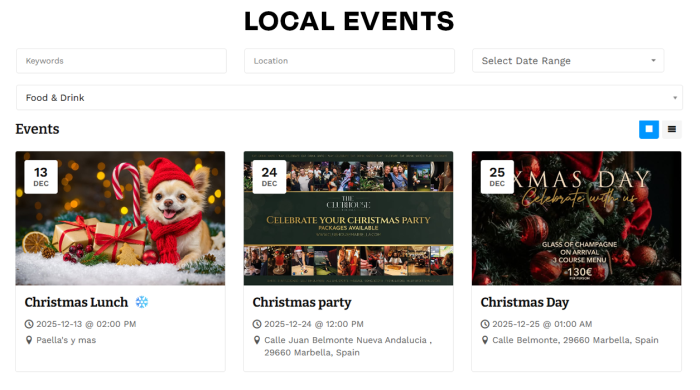
Most local publishers treat an events calendar as overhead. Tyler Channel walked Pete Ericson through what happens when you treat it as a traffic and email engine instead.
The setup
At any given moment, Salem has around 1,000 events live on the site. Automation pulls 25-50 brand new events per day from a handful of curated sources, plus 200+ daily updates as locations, times, descriptions, and images change at the source.
Old events drop off automatically once the date passes. Why? Google doesn’t care about expired events from an SEO perspective, and the publisher doesn’t want a graveyard of dead listings cluttering the index.
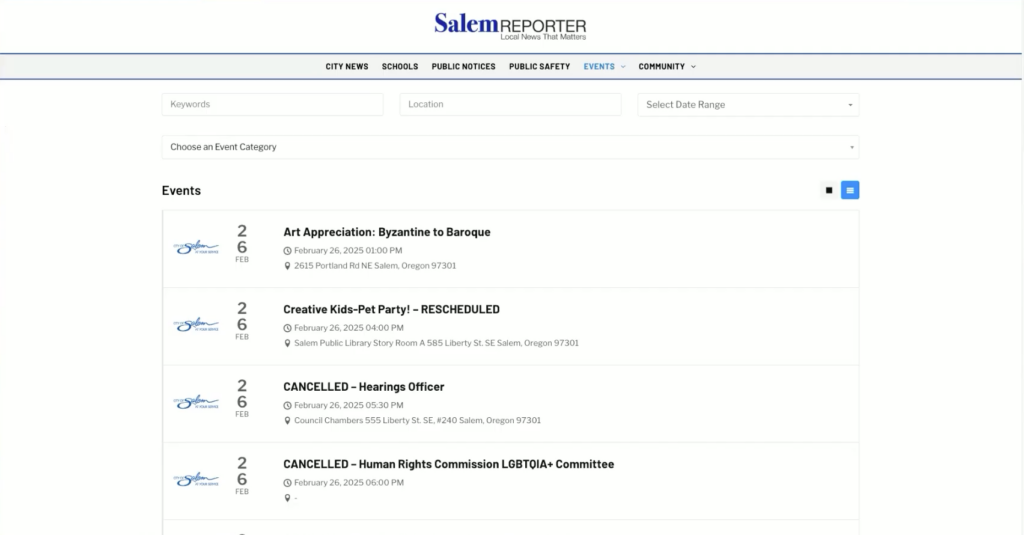
The calendar pulls from about five sources for Salem: city government, community hubs, and other local feeds. It deliberately skips middle school sports and Boy Scout meetings because Salem wanted to focus on city government and community events. A single calendar can’t be everything to everyone, and the curation choice matters.
The traffic story
Two months in, around 16,000 page views are attributed to events.
Most of that traffic is direct (people clicking the Events link in the menu), with Google a strong second. The events page is the hot landing page after the home page.
Salem Reporter started outranking the same sites the calendar was pulling from. Why? Because the AI cleans up the messy formats every calendar on the internet uses and presents the data in a clean, indexable structure on WordPress. Search engines reward that.
On a normal day, the calendar represents anywhere from less than 1% to about 5% of overall site traffic. When breaking news rockets the site to nearly a million page views (ice storms, flooding, big stories), the calendar’s share looks small. On a quieter month, it pushes 5%.
That’s traffic that didn’t exist before the calendar turned on.
The engagement story
The numbers that matter:
4% bounce rate on event pages. People land on an event and stick around.
4+ events viewed per session on average. Once a reader sees one event, they want to know what else is on. They don’t stop at one.
The same pattern is showing up on the Hello Morgantown site. Locals find the calendar and decide it’s better than the university’s calendar, better than the others, and all in one spot. So they use it. That behavior is starting to lift the site to the first page of Google.
The email signup story
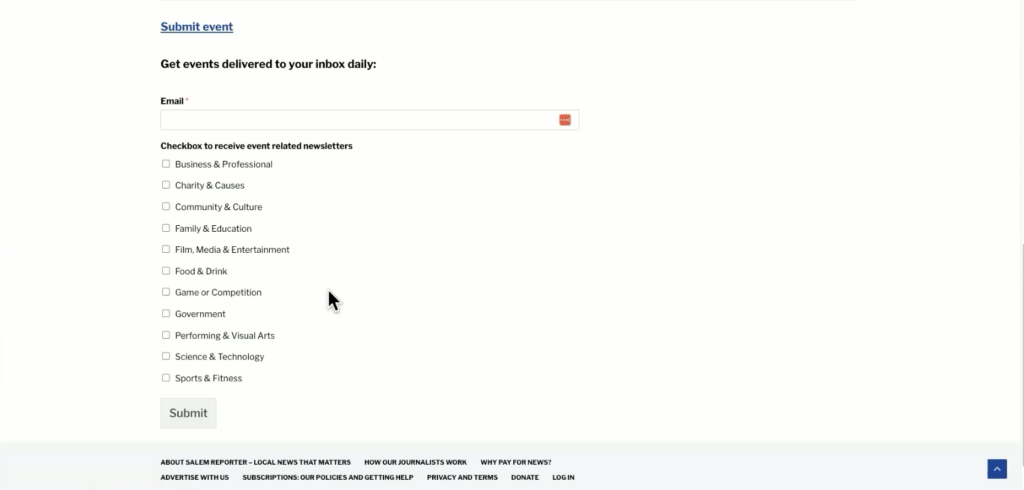
Salem Reporter’s calendar quietly added category-based event newsletters at the bottom of the page. Three to four weeks of operation. Zero promotion.
About 15 people on average per category list. Across the categories, that’s 150+ locals signed up for event notifications they had to scroll to the bottom of the page to find.
Open rates: 52% to 73%. Most categories north of 60%.
That’s a strong signal. Locals want event news delivered, and they’ll find a hidden form to get it. The AI does the work of categorizing each event correctly so the right newsletter goes to the right list.
User submissions with no promotion
The Submit Event link sits at the very bottom of the calendar. Salem hasn’t promoted it through the newsletter or anywhere else. It isn’t even in the menu yet.
50+ events submitted by community members anyway. People will find that button when they want their event listed. Salem moderates submissions and approves the legitimate ones. That moderation queue is the one ongoing job for the editorial team. A few minutes a day in WordPress, and it’s done.
What’s next: featured events
A featured events tier is in production. Submitters will be able to pay to skip moderation and get their event flagged as featured (think sticky thread, top of category). That’s the next monetization layer beyond the ad impressions the calendar is already generating from the extra traffic.
Pete has seen this pattern before. A decade ago, UV Hear sold featured events to local businesses like King Arthur Flour. The model worked, but it fell apart at scale because curation was 100% manual. The data was the bottleneck. Now the AI handles the data and the editorial team handles only what needs human judgment.
Why this works
Curation is the actual job. Facebook covers maybe 70% of local events in most communities. The other 30% (town hall meetings, niche music venues, restaurant events, scout meetings) is the gold publishers need. Without curation, that gap stays open and locals keep hunting across five sites to figure out what’s happening this weekend.
Bottom line: a local events calendar isn’t a sidekick to news. It’s a second front door to your site, and a content type that compounds month over month.
Key Takeaways
- Events rank fast on local search terms because the data is structured and the source content is messy. AI cleanup is the wedge that lets a publisher outrank the city government site for “Salem city council meetings.”
- Auto-delete expired events. Google doesn’t index stale dates and the site stays clean. No tombstone listings dragging down the calendar’s freshness signal.
- Drop a category-based newsletter signup on the calendar even with no promotion plan. 60%+ open rates from 15 people per list is the beginning of an audience the publisher controls.
- A hidden Submit Event link still gets used. 50+ submissions in two months with zero promotion and no menu placement. Locals want to be listed.
- Plan the monetization layer at launch. Featured events (paid placement that bypasses moderation) doubles as advertising for community businesses and works because the AI keeps the calendar comprehensive enough to be the default destination.
“Salem Reporter was outranking a lot of the sites we were pulling from.”
Tyler Channel
Try This Week
Map out the event sources in your community. Type “[your city] events” into Google and list every site that comes up: city government, schools, libraries, Facebook event hubs, community calendars, alt-weeklies. That list is the input for any calendar strategy you build. If five sources cover the bulk of what’s happening locally, that’s where you start. The goal is 90% coverage from automation, leaving the last 10% to community submissions and editorial picks.
Watch the Episode
Listen to the Paywall Podcast
